
Latest Articles
emergency radio solar hand crank
Emergency Radio Buyers Actually Choose in Real Life
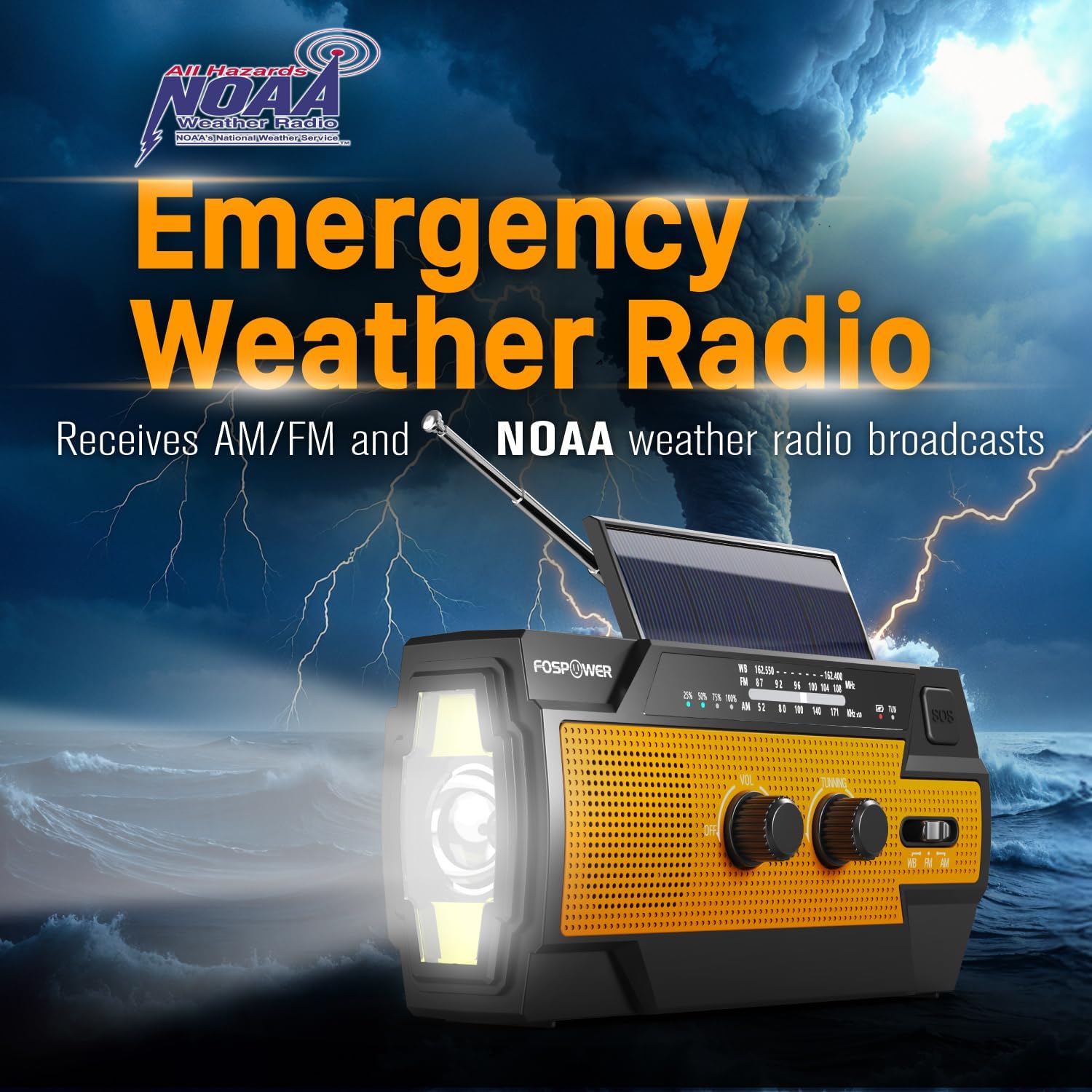
People usually don’t search for an emergency radio until they actually need one.
And when they do, the search is usually very direct:
- “solar hand crank radio for emergency”
- “weather radio for power outage”
- “NOAA emergency radio with flashlight”
- “survival radio for camping”
That already tells you something important:
👉 This is not a “feature comparison product”.
👉 It is a “situational need product”.
1. Emergency radios are bought for situations, not specs
Unlike normal consumer electronics, buyers don’t evaluate emergency radios based on performance charts.
They buy them for one reason:
“What if there is no power?”
So the product is usually judged in very simple terms:
- does it work without electricity
- can it charge in multiple ways
- is it easy to use immediately
- will it still work after long storage
This is why simple models still dominate the market.
2. The main use cases behind real demand
If you look at real buyer behavior, emergency radios are mainly used in three scenarios:
🌪 Power outage / storm preparation
In hurricane or storm-prone regions, buyers want:
- NOAA weather alerts
- long battery standby
- emergency lighting function
🏕 Outdoor travel / camping
Outdoor users care about:
- compact size
- hand crank charging
- solar charging option
- built-in flashlight
🏠 Home emergency backup
For households, especially in rural or older communities:
- simple operation matters most
- no setup or configuration
- long shelf life without usage
3. Why solar + hand crank models still dominate
Even with newer battery technology, the most popular emergency radios still combine:
- solar panel charging
- hand crank generator
- USB charging
- LED flashlight
Because buyers don’t trust a single charging method.
They prefer redundancy:
👉 if one fails, another still works.
That trust factor is more important than any technical upgrade.
4. NOAA weather radio function is a key buying trigger
In the US market especially, one feature often decides purchase:
👉 NOAA weather alert support
Buyers are not looking for entertainment radio.
They want:
- emergency warnings
- storm alerts
- real-time safety information
This is one of the highest search intent keywords in this category.
5. What buyers really care about (not what factories think)
Many suppliers focus on:
- battery capacity
- sound quality
- design upgrades
- extra features
But buyers care more about:
- will it turn on instantly in emergency
- can it survive long storage
- can anyone operate it without instructions
- will it work after years unused
👉 reliability matters more than specification.
6. Why this category still sells in 2026
Emergency radios are not trend-driven products.
They are situation-driven products.
That means demand is stable because:
- weather events are increasing globally
- outdoor travel is growing
- grid instability exists in many regions
- households are more aware of emergency preparedness
Final thought
Emergency radios are not bought for daily use.
They are bought for moments you hope never happen.
And in those moments, buyers don’t want complexity.
They want something that is:
- simple
- ready
- reliable
- independent from power supply
